
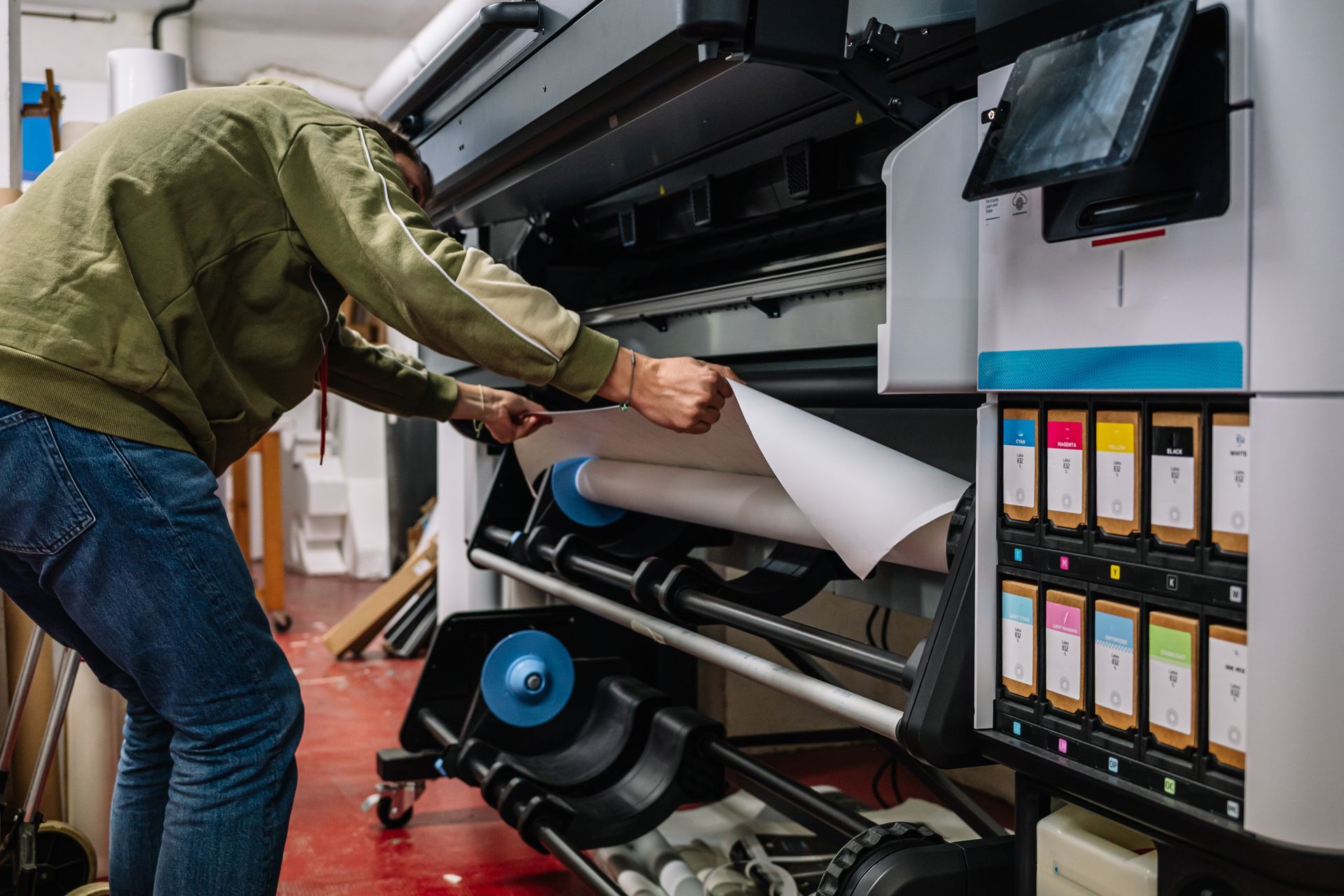
Foil Stamping vs Metallic Ink: Key Differences

19 January 2025

Share this article

Foil stamping and metallic ink are two methods for adding metallic finishes to printed materials, each with unique benefits:

Quick Comparison

Choose foil stamping for high-end, durable projects and metallic ink for affordable, detailed designs.

Metallic Ink vs Foil Stamping

How They Look

Foil stamping and metallic ink each create unique visual effects that can influence the overall look of your project. Knowing the differences between these techniques can help you pick the one that fits your design goals.

Foil Stamping Finish

Foil stamping produces a shiny, mirror-like effect with a raised texture that’s both visible and touchable [1] . This method works well for bold designs like logos, luxury packaging, or embossed details that need to stand out.

Metallic Ink Finish

Metallic ink, on the other hand, creates a soft shimmer that blends into the surface [3] . It’s ideal for intricate designs, gradients, or projects with multiple metallic shades. The smooth texture integrates seamlessly with other printed elements.

Your choice depends on the look you’re going for. For example, Miro Printing & Graphics Inc. recommends foil stamping when you want maximum visual impact, while metallic ink is better suited for detailed, refined designs [3] .

With the visual differences covered, let’s dive into how these techniques compare when it comes to cost.

Cost Differences

When deciding between foil stamping and metallic ink, understanding the cost variations can help you choose an option that fits your budget. These two methods differ significantly in price due to their unique production processes.

Foil Stamping Costs

Foil stamping tends to be more expensive because of its detailed process. This method requires custom dies, specialized equipment, and high-quality materials, which drive up costs [1] . It’s especially pricey for smaller production runs but delivers a striking finish that’s perfect for upscale projects.

Metallic Ink Costs

Metallic ink is a more budget-friendly choice while still offering a polished metallic look. It’s particularly cost-efficient for larger production runs since it works seamlessly with standard printing processes [2] . The fewer production steps involved make it a more affordable alternative compared to foil stamping [1] [2] .

At Miro Printing & Graphics Inc., clients can get tailored cost estimates for both methods to ensure their choice aligns with project goals. The decision often comes down to priorities: foil stamping for luxurious, high-end designs and metallic ink for a sophisticated look at a lower price.

Cost isn’t the only consideration – durability also affects the overall value of your printed materials.

sbb-itb-ce53437

Durability

Durability plays a big role when choosing a metallic finish, especially for items meant to last or handle frequent use. Foil stamping and metallic ink each offer different levels of resistance and longevity.

Foil Stamping Durability

Foil stamping creates a strong, lasting finish by bonding metallic foil to the material using heat and pressure. This makes it a great choice for items that see a lot of use or need to maintain a premium look over time, such as:

Metallic Ink Durability

Metallic ink, which contains metal particles, can wear down or crack over time, especially with frequent handling or bending. Adding a protective coating can help extend its life, but it also adds more steps and costs to production [1] [2] .

Miro Printing & Graphics Inc. often suggests foil stamping for projects where durability is a priority. While it may cost more upfront, its long-term performance makes it worth the investment.

Now that we’ve covered durability, let’s look at how to choose the right method for specific projects.

When to Use Each

Choosing between foil stamping and metallic ink comes down to your project’s goals, budget, and how it will be used.

Best Uses for Foil Stamping

Foil stamping works best for high-end packaging, event materials like invitations, and professional branding items such as business cards or certificates. It stands out in:

Best Uses for Metallic Ink

Metallic ink is a great choice for detailed designs, budget-friendly marketing, and short-term projects. It shines in:

When deciding, think about the visual impact, durability, and budget. Miro Printing & Graphics Inc. recommends assessing your project’s lifespan, handling needs, and financial constraints to make the right choice [1] [3] .

Next, let’s directly compare these techniques to help you finalize your decision.

Side-by-Side Comparison

Here’s a closer look at how foil stamping stacks up against metallic ink, so you can decide which option fits your project’s needs.

This table highlights the strengths and limitations of each technique. When deciding, think about how often the item will be handled and how long it needs to last. For large-scale projects, metallic ink is often the quicker and more affordable choice. On the other hand, foil stamping is perfect for smaller projects that need to make a bold impression.

Conclusion

Foil stamping delivers a bold, long-lasting finish, making it ideal for high-end projects, while metallic ink offers a budget-friendly solution for intricate designs. Deciding between the two comes down to your project’s focus – whether that’s durability, visual impact, or cost.

For the best results, working with experienced printers is key. Miro Printing & Graphics Inc. brings expertise in both digital and offset printing, along with a range of post-press services, to help you achieve the perfect balance for your project.

Related posts

Recent Posts

A person shows a printed sheet with the word
22 May 2025
Affordable book printing in North Bergen, NJ. Let us bring your vision to life. Contact Miro Printing & Graphics, Inc. today for expert printing services.
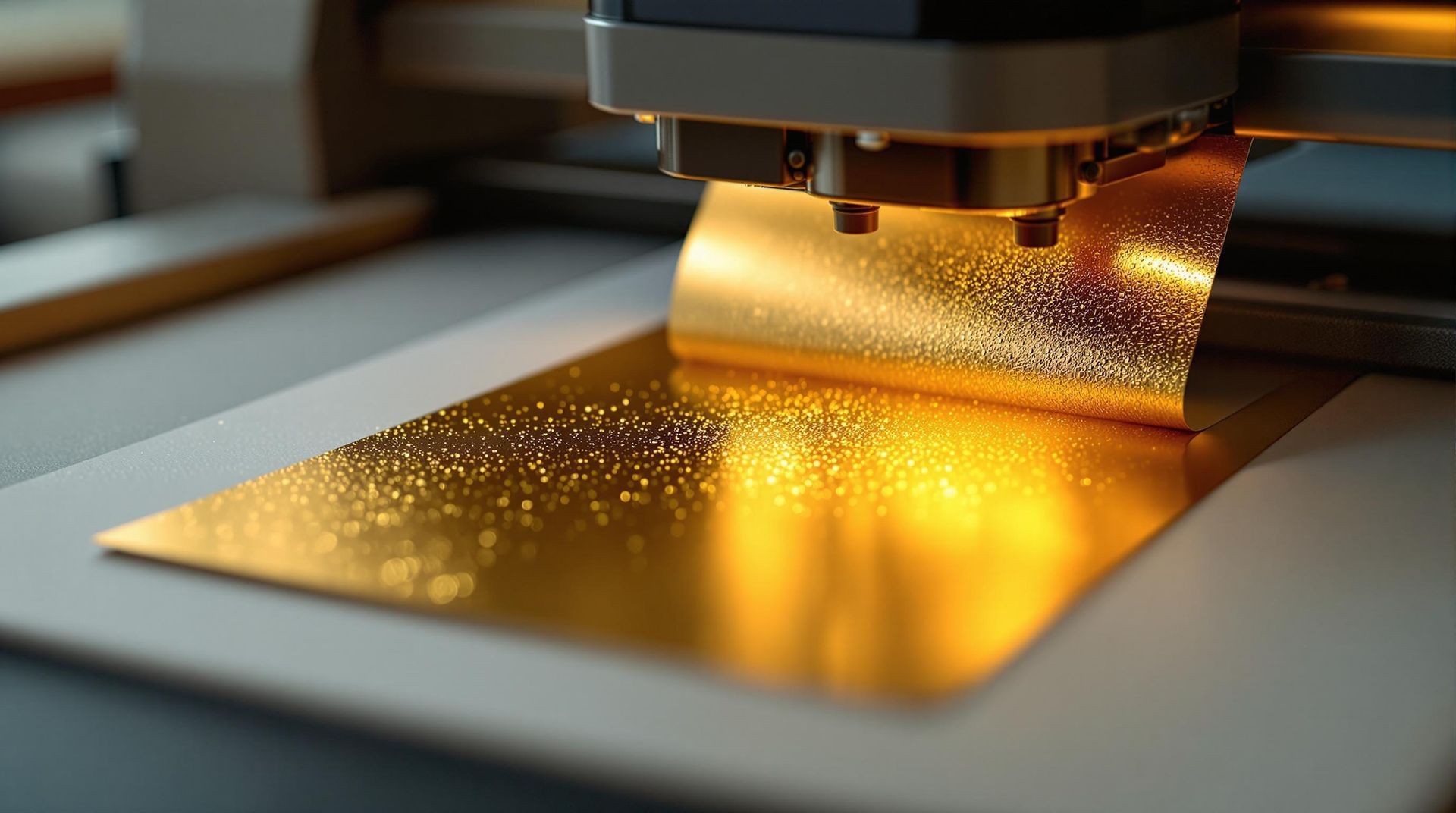
A mechanical printer head applying a sheet of reflective gold foil onto a white surface.
19 January 2025
Learn the step-by-step process of foil stamping, a technique that adds elegance and shine to various materials through heat and pressure.
A cluttered wooden desk covered in scattered sheets of paper, stationery, a laptop, and various office supplies.
18 January 2025
Learn how to choose the right paper for custom prints, considering types, finishes, durability, and project goals for optimal results.
A printer on a desk next to a laptop displaying colorful design samples, with scattered prints and art supplies.
18 January 2025
Explore personalized print design, its importance, essential components, and practical steps for creating impactful printed materials.

A worker wearing a light apron and gloves writes on a document at a table in a bright, industrial printing factory.
18 January 2025
Learn how to effectively identify and address surface coating defects in printing to enhance product quality and customer satisfaction.

A person in a lab coat uses a magnifying glass to inspect a colorful print coming off an industrial printing press.
18 January 2025
Learn how to troubleshoot and prevent surface coating defects in printing for consistent, high-quality results.
A desk with a stack of white paper, a printer, and a potted plant in front of a window in a sunlit room.
17 January 2025
Explore practical strategies for selecting eco-friendly paper that saves costs and reduces environmental impact through smart printing choices.
A stack of brown recycled paper on the left and white paper on the right, set against a backdrop with soft leaf shadows.
17 January 2025
Explore the cost, energy, and environmental impacts of recycled versus virgin paper to make informed choices for your printing projects.
A Pantone color swatch book lies open on a table, displaying a grid of various shades of blue and green.
17 January 2025
Explore the Pantone Matching System for precise color reproduction in printing, ensuring brand consistency across various materials.
A large printing press in an office, with a split-screen effect showing cool blue tones on the left and warm gold on the right.
17 January 2025
Understand the differences between RGB and CMYK color models to ensure accurate color reproduction in digital and print designs.
Show More